
Are you considering taking up Pilates? As you try out different studios or even videos, you will quickly notice that there are different sets of exercises from Romana to Stott to
Some of them claim to be classical and originate from Contrology. Meanwhile, other instructors claim they teach 'contemporary' pilates. Although they are all Pilates, they work differently, leading to a drastically different experience.
Continue reading to understand the most glaring differences between classical vs contemporary pilates. With this information, you will be able to decide what kind of style of pilates you want to focus on to get the best fitness or rehabilitation experience.
First, let us explain what kind of exercises these types of pilates are.
What Are Classical and Contemporary Pilates?
To understand Contrology vs classical vs contemporary pilates, you must first know that pilates is a type of exercise created and popularised by Joseph Pilates he called: Contrology.
With time, his students began teaching his exercises as 'pilates'. The initial styles that most closely resembled the Pilates approach are considered classical.
Moreover, the more modern exercises that greatly differ from the original exercise are 'contemporary'.
Classical Pilates vs Contemporary Pilates: Key Differences
Although they both originate from Contrology, they can be vastly different. Both of these categories have subcategories that all differ from each other.
Even among classical Pilates, there are some variations depending on which Pilates students you are learning from.
The following are the main differences you will find between the two main categories:
Influences and Founding Principles
The main difference between these categories of pilates is that they have different founding principles and influences.
Classical Pilates focuses on concentration, centering yourself, gaining expert control of your body, doing breath work, and flowing between movements.
Yet contemporary styles have added modern science and knowledge of physical therapy, adapting this exercise for injured athletes or to target specific muscle groups.
Variations in Order of Exercises
Another difference between contemporary vs classical pilates is the variation and order of exercises. As Pilates instructed, classical styles have a specific set of exercises that increase in difficulty. So, no matter which Romana Pilates instructor teaches you, you can be sure of the routine.
However, contemporary pilates can have different orders of exercise, including movements from other disciplines such as dance or even strength training. This can bring novelty to the exercise but can also make it very different from the pilates you expected.
Changes in Body Positions
In classical pilates, you are expected to maintain prescribed positions to help with your posture.
However, contemporary pilates may change body positions such as the tilt of your hands and pelvis. These changes can accommodate different body types and injuries.
Types of Equipment Used
The last significant difference between classical vs contemporary pilates is the equipment they use.
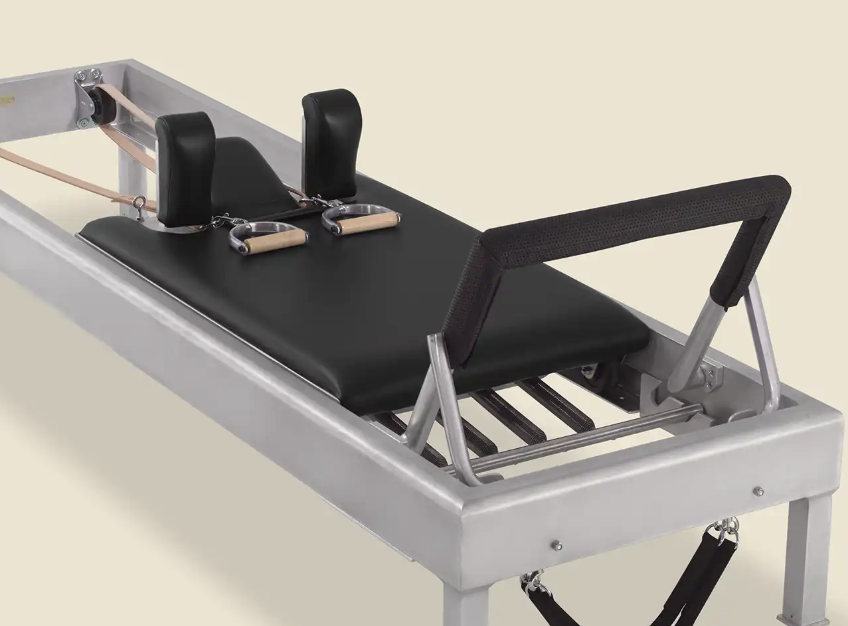
In classical Pilates, you will need to use the same equipment as Pilates believed was necessary. In fact, records show he was an inventor of 26 different machines used in exercise.
Although contemporary Pilates can also use the same machines, you can also use other, modern equipment.
The following table compares the equipment you are likely to find in these categories of pilates:
Classical Pilates Equipment
Contemporary Pilates Equipment
Reformer
Stability Balls
Cadillac
Resistance Bands
Wunda Chair
Roam Rollers
Which Pilates Style Should You Choose?
Although contemporary pilates offers a variety and modern techniques and equipment, starting from classical pilates is generally an excellent choice. It allows you to learn the basics of Pilates and understand how the exercises serve as a great way to train both your body and your mind.
With this style, you will notice that each exercise is done in a specific way to maintain posture, avoid injuries, and gradually warm your body for more intense exercise.
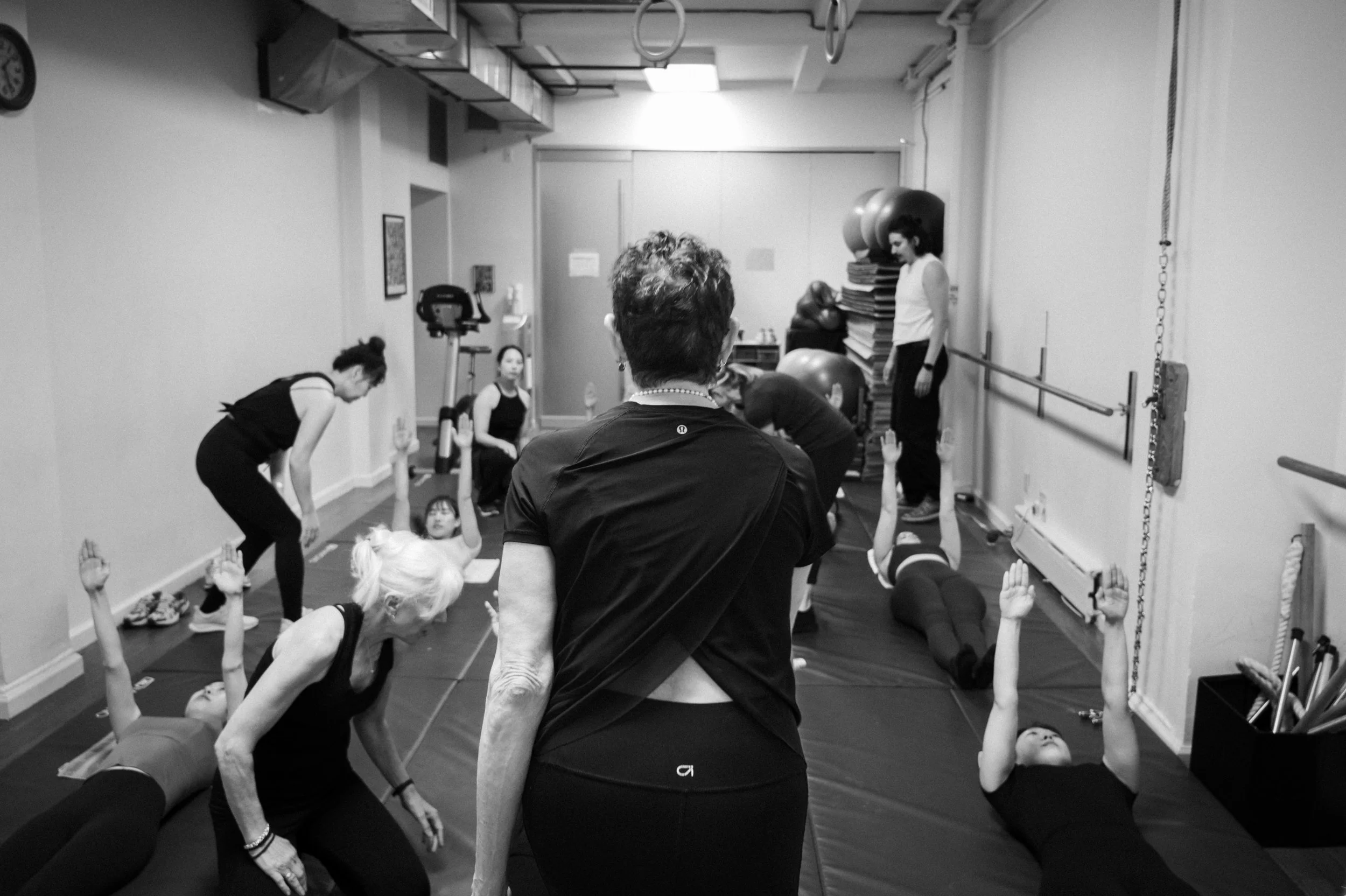
Explore Classical Romana Pilates with Lifespan Pilates
To take classical pilates classes, you will need to look for certified instructors available at Lifespan Pilates. Our instructors have trained under experts and have a deep understanding of Romana's style, ensuring you learn classical pilates as close to the original as possible.
With our group and individual sessions, you will gain more control of your body and strengthen your powerhouse. Moreover, you will improve your agility and gain an increased awareness of your own body.
The Bottom Line
As our discussion of classical vs contemporary pilates has shown, they are very different categories of pilates from the same source. The classical styles are closer to the original and were designed by Joseph Pilates students, including Romana.
They are also just as structured as the original Contrology and generally share the same use of equipment and body positions. In each of the classical styles, there is an emphasis on the Contrology founding principle such as breath work, flow, and concentration.
On the other hand, contemporary pilates is more modern and may differ greatly from Contrology. What unites these modern styles is that they have different orders of exercise, have influence from modern science, and use additional equipment.
To start your journey in Pilates, learn the original basics from certified Romana Pilates studios like Lifespan Pilates. We will guide you through the true Pilates philosophy for a holistic fitness approach.
Frequently Asked Questions
What is the hardest type of pilates?
The hardest type of pilates is the advanced mat classes. In this class, there is no apparatus that can assist or support you. Instead, you must rely on your own core strength to do these pilates exercises.
What is the difference between classical and Stott Pilates?
The difference between classical and Stott Pilates is that Stott is a modern style of pilates. More precisely, Stott uses modern science knowledge to help alter the curvature of your spine and to rebalance your muscles and joints. So, it focuses on giving you a better posture while classical pilates is more holistic, altering both your body and mind.
How many exercises are in classical pilates?
There are 34 exercises in classical pilates. As per the original doctrine, you will need to do them in the exact order Pilates outlined. However, it is normal to struggle when you first begin doing these exercises.
