
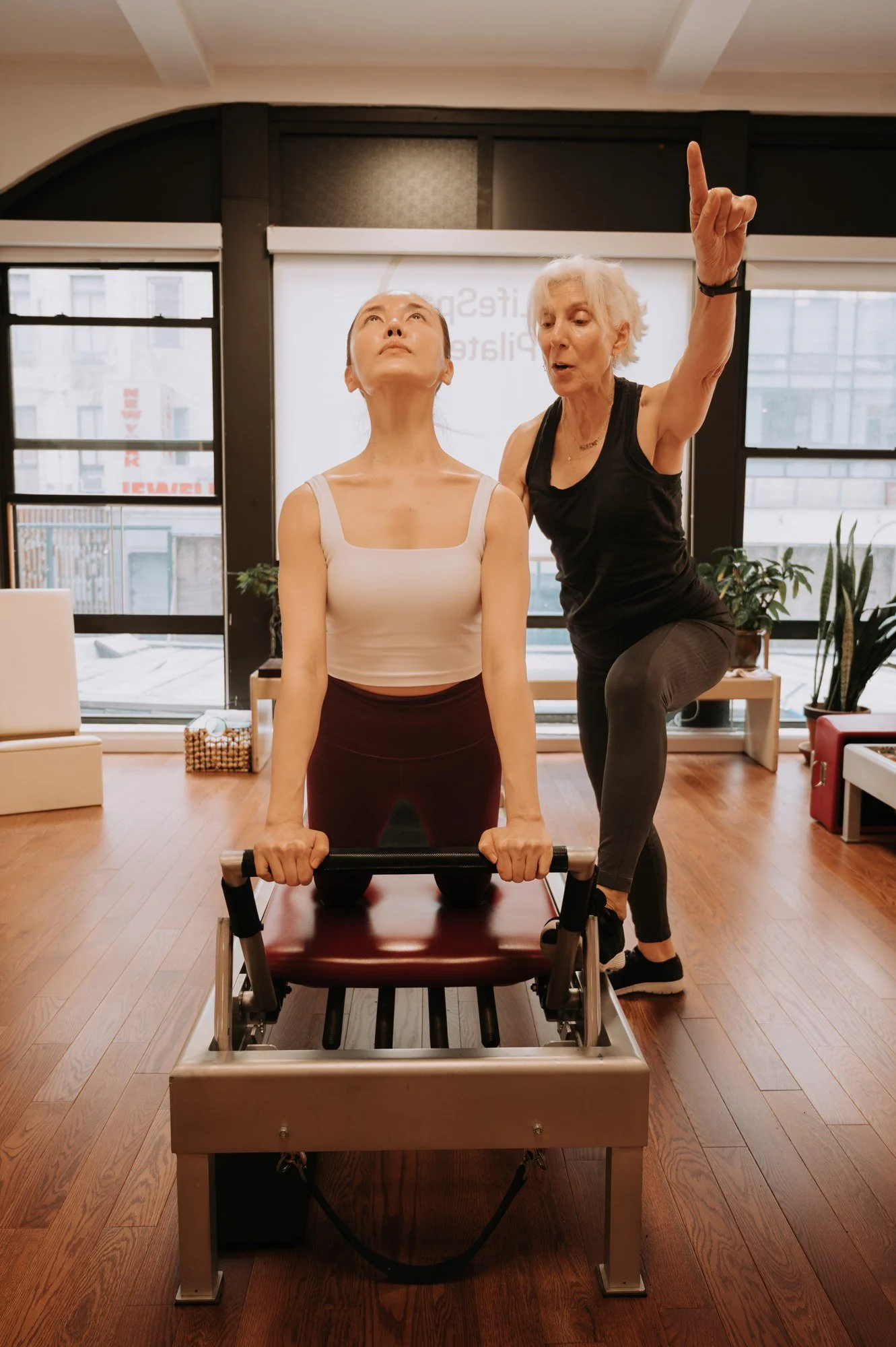
Research shows that about 12 million people in the U.S participate in Pilates training, which is continuously increasing. But why is it so?
Pilates is a physical fitness exercise that strengthens your muscles and engages the entire body. It improves your posture and gives you control over movements to avoid injuries. Other than physical wellness, it keeps you mentally relaxed by encouraging mindfulness.
However, to gain all these benefits from Pilates exercises, you first need to know the basic principles of this exercise. In this blog, we will discuss six pilates principles to get the most out of it. Let’s get started!
How Many Principles Are Pilates Based On?
Joseph Pilates was the creator of Pilates. After his death, six pilates principles have been drawn out from his philosophy exercise. Let’s discuss them one by one:
Breathe
Breathing is that common thread that runs through all other principals of Pilates. You can consider it as an engine that drives Pilates.
When your muscles are oxygenated properly, they perform their best in every kind of exercise. Also, you will feel very relaxed as deep breathing calms your nervous system.
In Pilates, you have to follow a common breathing pattern depending on the rhythm of the movements. The inhalation in Pilates is about preparing your body for movement.
When you inhale, you have to focus on expanding the ribs out to the sides of your body, almost as if you were to stretch the ribcage like an accordion.
Exhalation in Pilates is about activating your core muscles. As you exhale, you should feel a tightening or drawing inward of your abdominal muscles, which naturally creates a feeling of support and stability in the lower back and spine.
When you practice with intention and consistency, Pilates breathing will not only enhance the quality of your workout but also improve your overall well-being.
2. Concentration
This is the second principle of Pilates, which means giving full attention to your body, movements, and breath. The basic purpose of concentration is that you focus on the quality of your exercise rather than quantity.
Concentration improves the connection between your mind and body and improves your overall wellness.
To incorporate this principle, you should always make a checklist of the following points:
Make sure you're fully focused on the exercise and not distracted by outside thoughts.
Concentrate on how the muscles are engaging and working throughout each movement,
Tune into any sensations, discomfort, or tension. Notice if anything feels off and adjust accordingly.
3. Centering
Centering is the third principle of Pilates. It refers to drawing energy from the core of your body including your back, hips, pelvis, and abdomen.
The purpose of this principle is to activate the center of your body in Pilates exercises. It improves your body balance and support without causing any strain on your back and limbs.
To follow this principle, all you have to do is pull your belly button toward your spine and activate your pelvic floor. This is the core connection you need to maintain throughout your exercise. This principle ensures you would not risk slumping as it enhances your balance and posture.
4. Control
Control is the fourth principle in Pilates. It means being able to keep your body in the right position, use the correct muscles, and move smoothly without relying on speed or sudden movements. The level of control usually refines with practice.
With greater control over your body movements, you engage the correct muscles and keep your body safe from unnecessary strain.
To maintain proper control during pilates exercise, you should be conscious when initiating the movement. Engage your muscles slowly and steadily and take your body gradually to full range of motion. Suppose you are performing a roll-up. You should roll one vertebra at a time rather than engage multiple ones at a time.
5. Precision
Precision is the fifth principle of Pilates. It means performing an exercise with deliberate accuracy rather than lots of repetition in a sloppier form.
Precision requires you to be aware of the exact manner in which an action should be performed. By focusing on precision, you can maximize the effectiveness of each exercise.
For example, when performing a leg circle exercise, you should keep your hips aligned, your legs extended, and your pelvis stable. Even tiny adjustments in the angle of your leg or the way you move can make a big difference in the effectiveness of the exercise.
6. Flow
Flow is the sixth principle in Pilates which means smooth and uninterrupted continuity of your movements. In other words, your pilates practice should always feel like a dance, one exercise flowing smoothly to the next.
By keeping your body in constant motion, this principle not only enhances strength and flexibility but also makes workout more enjoyable for you.
To practice flow, you have to focus on smooth transitions between exercises. For example, you have performed plank and now want to go for a push-up, instead of changing the position abruptly, lower your chest to the mat smoothly and then lift it up with control.
Seeking the Top Pilates Lessons?
For the finest Pilates lessons, LifeSpan Pilates is your ideal choice. Located in New York, our studio is led by highly skilled instructors with more than 40 years of experience.
We offer a variety of services, including reformer, mat, stretch, and gymnastics sessions in the following formats:
Group classes
Private sessions
Drop-in classes
Package classes
Conclusion
To get the most out of your Pilates exercise, you must deeply understand and practice six Pilates principles: breath, concentration, control, centering, precision, and flow. They not only improve the quality of your workouts but also promote a deeper connection of your mind and body.
To make your Pilates practice more rewarding, you can join classes at LifeSpan Pilates. With expert coaches instructors and a supportive environment, we help you incorporate all the six principles in pilates exercises and achieve the best results.
FAQs
Is Pilates suitable for me if I am having back pain?
Yes, pilates exercises are suitable for anyone with back pain if taken under the supervision of qualified instructors. In fact, many people have got rid of chronic back pain by incorporating pilates into their fitness routine. So, ask your healthcare provider, and start taking the classes today.
Can I lose weight with Pilates?
Pilates do not ensure weight loss for anyone. It is not a high-calorie burning exercise like running or cycling. But if you take these classes with proper nutrition and some other forms of exercise, you may get good results for weight loss.
How often should I perform pilates?
You should perform pilates 2-3 times a week to get the best results. But this frequency depends on your fitness goals and life schedule. So, you should always ask an expert instructor and set your exercise schedule accordingly.3
