
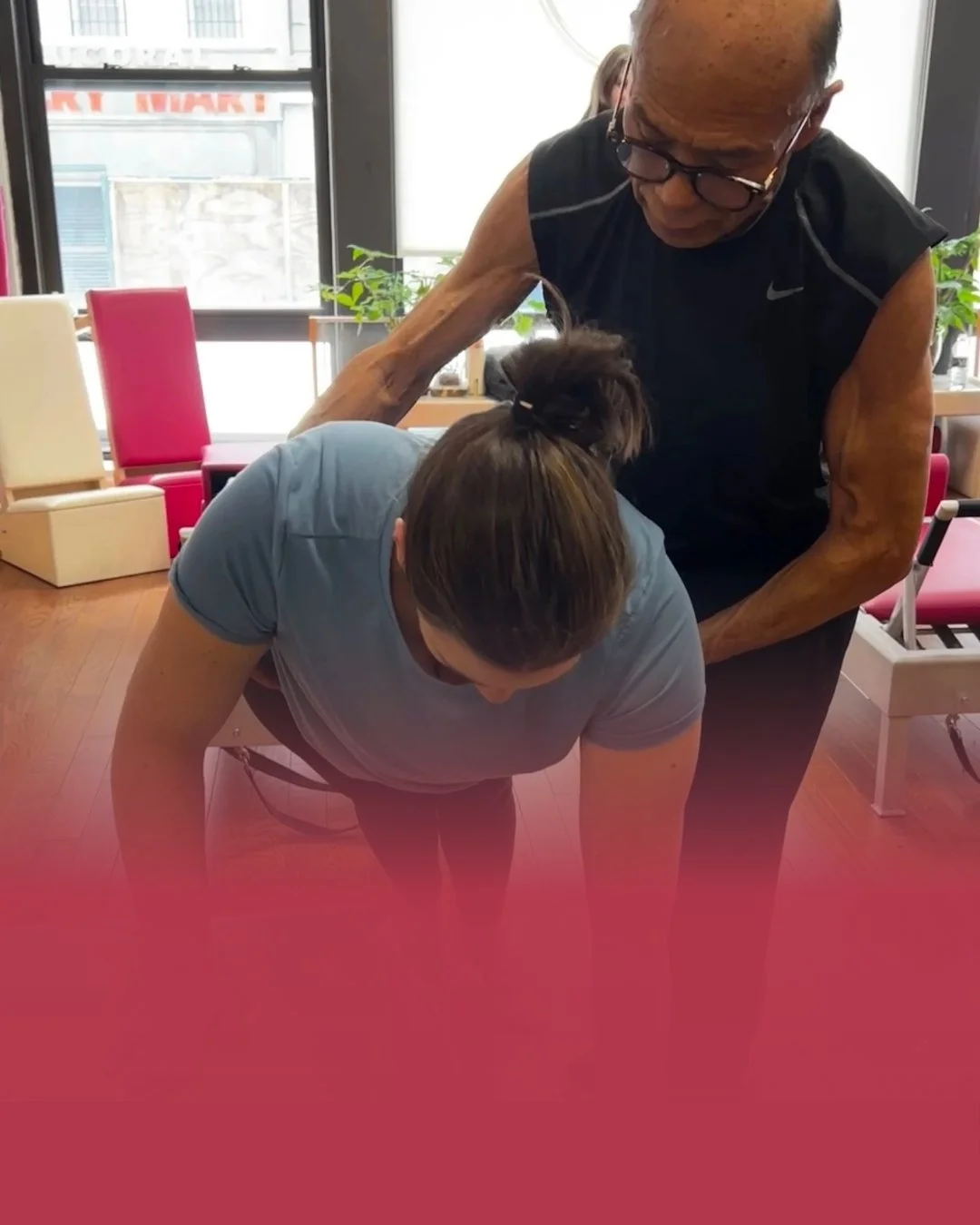
Did you know that 50 - 80% of people suffer from back pain once in their lives? Back pain can arise from various causes, such as poor posture, muscle imbalance, injury, or a sedentary lifestyle. However, Pilates could be the key to breaking that cycle.
If you are also a sufferer of back pain, Pilates is a practical and holistic approach that can help you overcome this issue. This low-impact fitness exercise enhances your body’s strength and flexibility and enables you to ease back pain.
To help you with your back pain, we will explain how Pilates with a bad back works and suggest some easy exercises to release your pain. Read on to explore how Pilates can help alleviate back pain.
Pilates Benefits and Exercises for Effective Back Pain Relief
Pilates helps back pain by targeting those areas of your body that contribute to spinal health. Its major principles—controlled movements and deep breathing—strengthen the muscles around the spine and release tension that causes back pain.
Below, we have discussed the benefits of Pilates in detail, along with the best exercises that will help you get these benefits by doing Pilates correctly.
1. Strengthening the Core Muscles
The first and foremost benefit of Pilates is that it helps strengthen your core muscles to protect your spine from unnecessary strain. Many people think the core is all about abs, but actually it includes muscles of your back, pelvis, and abdomen that work together to support your spine.
Pilates exercises are designed to engage the core and improve spinal support during daily activities. This helps prevent future back pain and promotes long-term spinal health.
To strengthen your back muscles, we recommend the following exercises that will alleviate your pain:
The Plank: Start in a push-up position and keep your body in a straight line from head to heels. Hold for 20-30 seconds.
The Saw: Sit tall with legs extended and feet flexed. Reach one hand toward the opposite foot, twisting the torso while keeping your core engaged.
2. Improving Alignment & Posture
Poor posture is a leading cause of back pain. When you slouch or hunch over for a long time, such positions will cause the muscles to become tight and cause back pain. Pilates can help prevent this by improving your posture.
Doing Pilates regularly maintains your neutral spinal alignment and corrects all the imbalances that cause back pain. Your instructor will recommend exercises that help to maintain good posture in sitting, walking, standing, and other activities. When your posture improves, back pain also gets much better.
The most recommended exercises for improving posture are:
Pelvic Curl: Lie on your back with your knees bent and feet flat on the floor. Slowly lift your pelvis off the floor, one vertebra at a time, creating a gentle curve in your spine. This will engage the core and strengthen your lower back.
Cat-Cow Stretch: Begin on all fours, with hands under shoulders and knees under hips. Alternate between arching your back towards the ceiling (Cat) and lowering your belly towards the floor while lifting your head (Cow). It promotes spinal flexibility and core activation.
3. Increasing flexibility
Another cause of back pain is muscle and joint stiffness. Tight muscles limit your range of movement and create tension in your spine.
Pilates can help you relieve this stiffness by targeting those areas of your body that experience high levels of stress. These exercises release the tension in the muscles and improve flexibility.
Best Pilates exercises that help relieve back pain and improve flexibility are:
Forward Spine Extension: Sit with legs extended and spine tall, then hinge forward at the hips. Reach your hands towards your feet while keeping your back straight to stretch the spine and hamstrings.
Hamstring Stretch (Single Leg Stretch): Lie on your back, extend one leg up, and gently pull it towards you. Hold behind the thigh to stretch the hamstring and relieve lower back tension.
4. Fixing Muscle Imbalances
In muscle imbalances, you will feel like some of your muscles are overly tightened while others are weak and inactive. This affects pelvis alignment and forces your spine into a suboptimal position.
There are some Pilates exercises that focus on stretching your tight muscles and alleviating back pain. A common example is:
Lunge Stretch: Step one foot forward into a deep lunge, keeping the back leg straight to stretch the hip flexors and hamstrings, relieving tightness.
Similarly, some exercises strengthen your weak muscles and promote functional movement. For example:
Spine Stretch Forward: Sit tall with your legs extended and feet flexed, then reach forward with your arms while lengthening your spine to stretch the lower back and hamstrings, fixing muscle imbalances.
5. Promoting Relaxation
Stress and tension are one of the major contributing factors to back pain. In stress or anxiety, your muscles tighten up and cause discomfort in your back and shoulders.
To alleviate this tension, different pilates exercises play a great role. With controlled movements and mindful breathing techniques, they reduce overall stress in your back and promote relaxation in the overall body.
Some of the most effective pilates exercises for promoting relaxation are:
The Hundred: Lie on your back with your legs lifted and bent at a 90-degree angle. Pump your arms up and down while engaging your core and breathing deeply to stimulate circulation and strengthen the abdominal muscles.
Child’s Pose: Start on your hands and knees, then sit back on your heels and stretch your arms forward on the mat.
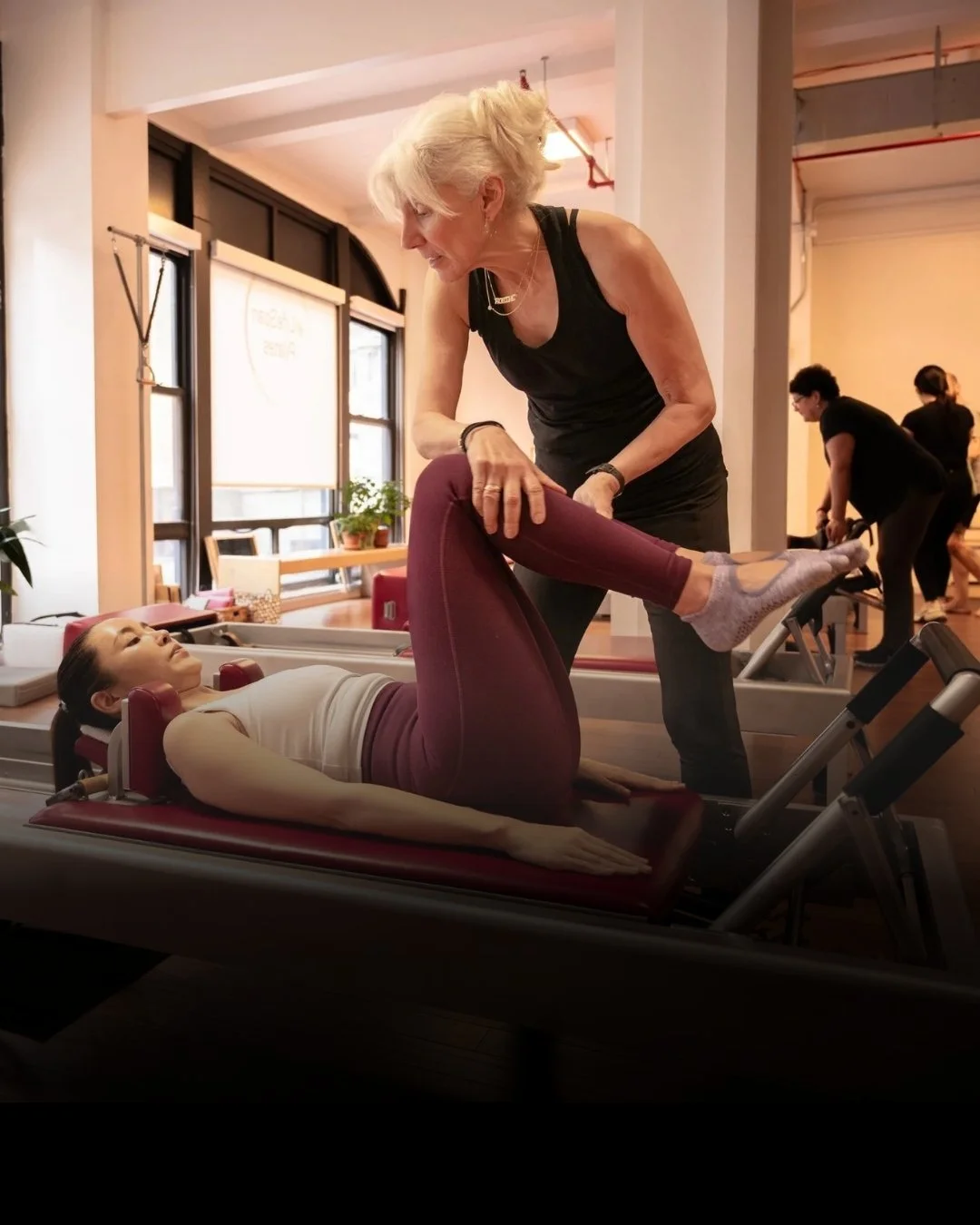
How LifeSpan Pilates Help Lower Your Back Pain
If you're struggling with back pain, LifeSpan Pilates offers flexible in-studio and virtual classes that focus on alleviating discomfort and improving posture.
Our expert instructors help you with a variety of formats, including Reformer, mat, and stretching classes, all tailored to your specific needs for pain relief and mobility improvement
Conclusion
Pilates is a safe and effective way to reduce tightness in your back muscles. Pilates with a bad back focuses on proper alignment, flexibility, and core strength and helps restore balance to your body.
If you are dealing with chronic back pain or want to prevent it in the future, incorporating Pilates into your routine will make a huge difference.
To make these exercises safer and more beneficial to your body, we suggest you get classes from our experts at LifeSpan Pilates Studio.
FAQs
Can Pilates help with sciatica?
Yes, Pilates can help treat sciatica by relieving pressure on your sciatic nerve through different stretching exercises like Spine Stretch Forward and Cat-Cow. Pilates targets spinal alignment and core strength, reducing muscle tension in the lower back and hips.
Is Pilates with a bad back suitable for all ages?
Whether you are suffering from back pain in your 20s or 70s, pilates can help you overcome it at all ages. Your instructor will always suggest pilates exercises according to your age and fitness level.
How long will it take to get relief from back pain while performing pilates exercises?
It usually depends on the severity of your back pain. Generally, people notice a reduction in pain after a few weeks of regular exercise. But for long-term benefits, you should perform this exercise for several months.
